




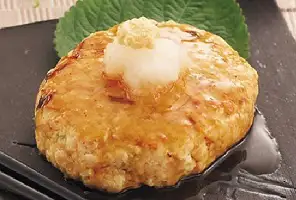
Having fresh shiitake mushrooms on hand, I decided to blend them with some porcini, given the absence of the other mushrooms. The result was surprisingly pleasant.
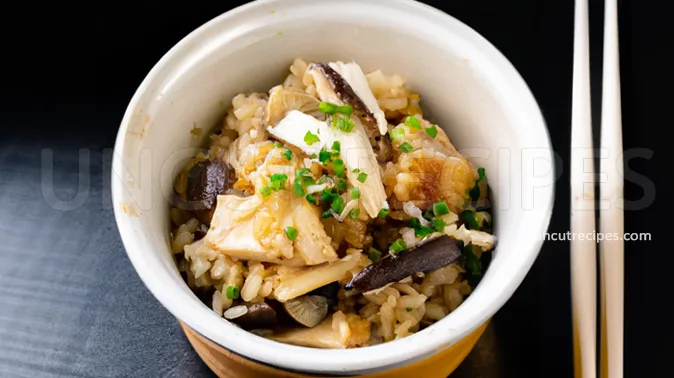
Envelop yourself in the comforting embrace of an age-old Japanese tradition with this simple yet flavourful Mushroom Rice dish, or きのこご飯 (Kinoko Gohan). This delightful recipe has roots that stretch deep into the heart of Japanese home cooking, offering a soothing connection to generations past. Each bite contains the whisper of a story, a culinary tale infused with the cultural spirit of Japan, narrating the tale of dedicated farmers tending their rice fields and mushroom growers taking pride in their flavorful harvest.
The delicate harmony of flavours that dance in this dish mirrors the Japanese philosophy of 'Ichigo Ichie' — the concept that every moment is unique and should be treasured. Every single grain of rice, once clinging to its husk in a windy field, is now enveloped in a gentle symphony of umami from the mixture of different mushrooms and subtly fragrant seasonings. It is a culinary journey from the earth to the kitchen, creating a delicious bridge between nature and your dining table.
Each mushroom brings its own special touch to the dish, reflecting the diversity of Japan's woodland. King oyster mushrooms add a firm, meaty texture; shiitake mushrooms lend a deep, savory flavor, and the tender shimeji mushrooms contribute a subtle nuttiness. All these textures and tastes are beautifully intertwined with the sticky, comforting texture of Japanese short-grain rice, evoking a sense of calm and contentment with every spoonful.
Crafting this recipe is much more than a simple act of cooking — it's an exercise in mindfulness. It invites you to engage your senses fully, from the sound of the rice simmering in the pot to the fragrance of the mushrooms mixing with the sake and mirin. It encourages you to be present in the moment, cherishing the process as much as the final dish.
In the end, when you take your first bite of this Mushroom Rice, you're not just enjoying a meal; you're connecting to a legacy, a way of life, a tale of Japanese culture and tradition handed down through countless generations. This dish is a tribute to simplicity and the perfection of natural flavors, a celebration of ordinary ingredients transformed into something truly extraordinary.
Embrace the journey and enjoy the simple pleasures of making きのこご飯. Because sometimes, it's the simplest meals that leave the most indelible marks on our hearts. Here's to creating warm memories one bowl of mushroom rice at a time!
JUMP TO:
INGREDIENTS:
Japanese Short-Grain Rice: The soul of this dish. Japanese short-grain rice is prized for its stickiness and ability to absorb flavors. When purchasing, look for words like "sushi rice" or "Japanese short-grain" to ensure you're getting the right variety. The grains should be almost round in shape, and they will have a slight sheen when cooked. Rinse thoroughly before use to remove excess starch, which aids in achieving the desired texture.
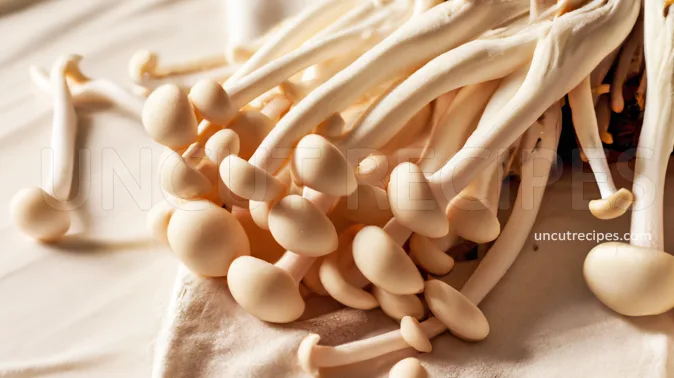
Mushrooms: King Oyster, Shiitake, and Shimeji mushrooms provide a triad of textures and tastes, each lending their unique essence to the dish. Freshness is key. Look for plump, firm mushrooms that are free from slimy spots or discolouration. King oyster mushrooms should have a clean, white stem and small cap, shiitake mushrooms should be brown with a curling cap, and shimeji should be in a tight cluster with a uniform light brown color.
Dashi: This is the backbone of umami in Japanese cuisine. While it can be store-bought, homemade dashi has a depth of flavor that's unrivaled. You can make it at home by simmering kelp (kombu) and bonito flakes (katsuobushi). For a vegetarian alternative, use kombu and dried shiitake mushrooms instead.
Soy Sauce, Mirin, and Sake: These three condiments form the classic Japanese flavor base. When choosing soy sauce, opt for naturally brewed versions, which offer a more complex flavor. Mirin is a sweet rice wine, and its sweetness helps balance the saltiness of the soy sauce. Sake, a rice wine, contributes a unique aroma. If you can't find mirin or sake, a mixture of white wine and a little sugar can be used as a substitute, though the flavor won't be exactly the same.
MAIN STEPS:
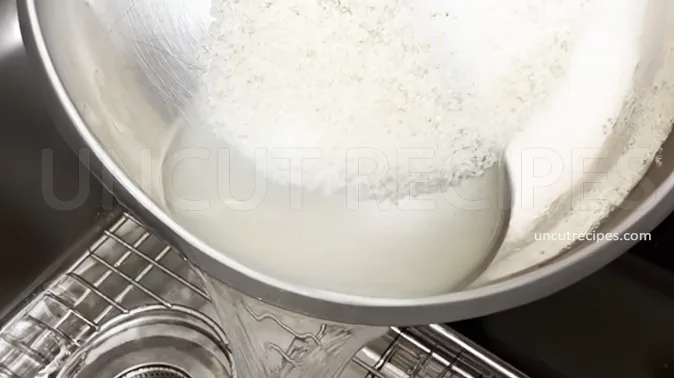
Cleaning the Rice: Proper washing of rice ensures the removal of excess starch which otherwise might lead to overly sticky rice. Repeat the washing process until water remains clear, indicating the elimination of surplus starch.
Preparing the Mushrooms: The way you handle your mushrooms is crucial for the dish's texture. For King Oyster mushrooms, bite-sized pieces complement the texture of the rice. Shimeji mushrooms should be separated into individual pieces, while Shiitake should be thinly sliced for quick and even cooking.
Combining Ingredients for Rice: Each ingredient should be incorporated well to ensure that the flavors are infused into every grain of rice. Make sure to evenly distribute the rice in the pot for consistent cooking.
Soaking and Cooking: The soaking period is a crucial step for preparing short-grain rice, as it helps to achieve the ideal texture. The cooking time can vary based on the type of pot you're using, so adjust accordingly. Overcooking can result in a mushy texture, while undercooking may leave the grains too hard.
Post-Cooking Steps: The steam stage is critical, so resist the temptation to open the lid prematurely. This step allows for complete absorption of the remaining liquid and flavors, and for the rice to achieve the right texture.
Final Touches: When mixing the mushrooms into the rice, use a slicing motion to avoid damaging the grains. This method preserves the fluffy texture of the rice.
To Serve: Garnishing is not just for visual appeal; the addition of chives and sea salt flakes adds an extra layer of flavor that heightens the dish. Be careful with the sea salt flakes, as adding too much can overpower the delicate balance of flavors.
SERVED WITH:
Starter: Edamame (Japan): These are young, green soybeans that have been blanched and lightly salted. They serve as a healthy, protein-rich appetizer that would nicely balance the carbohydrate-heavy main course of Mushroom Rice.
Side Dish: Sunomono (Japan): This is a Japanese cucumber salad that's dressed with vinegar, sugar, and sometimes soy sauce and ginger. Its light and tangy flavours can offer a refreshing counterpoint to the rich and savoury Mushroom Rice.
Main Course: Teriyaki Chicken (Japan): A classic Japanese dish of chicken thighs glazed with a shiny sauce made of soy sauce, mirin, and sugar. The sweetness and slight char of Teriyaki Chicken pairs excellently with the earthy Mushroom Rice.
Second Course: Miso Soup (Japan): A traditional Japanese soup made from a dashi stock into which softened miso paste is mixed. It commonly contains ingredients such as tofu, seaweed, and green onions. Its soothing, savoury flavours can provide a comforting finish after the main course.
Dessert: Matcha Ice Cream (Japan): This is a creamy, sweet ice cream flavoured with matcha, or Japanese green tea powder. The slight bitterness of the matcha and the creaminess of the ice cream can serve as a delightful palate cleanser after the umami-heavy meal.
Cake: Castella (Japan/Portugal): A popular Japanese sponge cake made of sugar, flour, eggs, and starch syrup, originally brought to Japan by Portuguese merchants. Its light and airy texture, combined with its subtle sweetness, makes it a perfect dessert to follow the hearty Mushroom Rice.
Drink: Sake (Japan): Sake is a Japanese rice wine made by fermenting rice that has been polished to remove the bran. The complexities of sake, with its unique balance of sweetness, umami, acidity, and bitterness, pairs wonderfully with the Mushroom Rice, enhancing the umami notes in the dish.
ALTERNATIVES:
Appetizer: Mushroom Arancini (Italy): These are crispy, deep-fried balls of risotto typically filled with mozzarella cheese, originating from Sicily. Replace the Italian rice with Japanese short-grain rice and incorporate the different types of mushrooms for a delightful snack.
Soup: Cream of Mushroom Soup (American Version): A rich and creamy soup featuring mushrooms as the star ingredient, often finished with a touch of sherry. Using the mix of Japanese mushrooms will elevate the soup with a unique blend of textures and flavors.
Main Course: Mushroom Risotto (Italy): This is a classic Italian dish where Arborio rice is slowly cooked with broth until it reaches a creamy consistency, with mushrooms added for a burst of earthy flavor. You can substitute the Arborio with Japanese short-grain rice and use a dashi-based broth for an East-meets-West fusion.
Stir Fry: Ginger Mushroom Stir Fry (China): A quick and easy stir fry where mushrooms are the hero, complemented with a sauce based on soy sauce and enhanced with the warm spice of fresh ginger.
Side Dish: Garlic Mushroom Quinoa (USA): A healthful side dish that pairs the earthy flavor of mushrooms with the nutty taste of quinoa. Minced garlic, mirin, and soy sauce can be used to create a flavorful dressing.
Stew: Mushroom Stroganoff (Russia): Traditionally a beef dish, this vegetarian version uses mushrooms as the main ingredient, cooked in a rich, creamy sauce. The diverse mushroom types from the Japanese Mushroom Rice recipe can be used here, adding different textures and flavors to the stew.
Rice Dish: Mushroom Pilaf (Middle East): This is a flavorful rice dish cooked in a broth, often with various spices and other ingredients. Substitute the standard long-grain rice with Japanese short-grain rice, and incorporate the mushrooms along with the classic spices for a unique take on the traditional dish.
HISTORY:
This dish has stood the test of time and has come to be deeply ingrained in the culinary identity of Japan.
Our story begins in the verdant, mushroom-rich countryside of Japan, where farmers found themselves blessed with a bounty of mushrooms each season. Seeking to make the most of this gift of nature, they began to incorporate mushrooms into their staple food - rice. The fusion of these two ingredients marked the birth of the beloved Japanese Mushroom Rice.
There is no specific creator credited for this dish. Much like many traditional dishes, it evolved out of necessity and was honed over time by the community as a whole. Its roots are intertwined with the local flora and the climate, two factors that have always shaped the cuisine of any region.
The dish doesn't have any specific legends tied to it, but it certainly speaks of the ingenious simplicity of Japanese cooking. Japanese cuisine is well-known for its philosophy of emphasizing natural flavors, and the Mushroom Rice is a prime example of this. The umami-rich mushrooms paired with the mildness of Japanese short-grain rice result in a dish where the ingredients speak for themselves.
In Japanese culture, Mushroom Rice is more than just a meal. It has a significant place in seasonal celebrations. As many of the mushrooms used in the recipe are harvested in autumn, the dish often makes an appearance in autumn festivals and gatherings, serving as a flavorful symbol of the harvest.
As time passed, the dish began to gain popularity beyond rural households. It found its way into the bustling cities, served in the modest 'Izakaya' (Japanese pubs) as well as high-end dining establishments. Its versatility to pair with a variety of other dishes and ability to be a standalone meal made it a cherished part of the menu.
Today, Japanese Mushroom Rice has not only traveled the length and breadth of Japan but has also ventured overseas. In the global culinary scene, it represents the quintessential Japanese approach to cooking – minimalistic, focused on seasonal ingredients, and respectful of each ingredient’s natural flavors.
TIPS:
Optimal Rice Measurement: It's important to realize that not all cup measurements are created equal. In Japanese cooking, a rice cooker cup is used as the standard measurement, which is equivalent to 180 ml or 3/4 of a US cup. Using this measure will ensure accuracy in your recipe.
Balancing Rice and Water: The secret to perfectly cooked Japanese short-grain rice is in the ratio. For every 180 ml (1 rice cooker cup) of rice, aim for about 200 ml of water. This ratio of 1:1.1 or 1:1.2 allows for the rice to fully absorb the water, resulting in the desired texture.
Mushroom Cleaning Techniques: Contrary to common practice, mushrooms shouldn't be soaked due to their ability to absorb water, altering their texture and taste. Instead, gently wipe them clean with a damp cloth or pastry brush. If they're too dirty, a quick rinse under cold water and an immediate pat dry will do the trick.
Strategic Ingredient Layering: When combining the rice and other ingredients, it's key to layer rather than mix them all together. After stirring the rice with the broth and seasonings, place the mushrooms and other ingredients on top. This allows the rice to cook evenly and helps the flavors to infuse better.
Pre-Soaking the Rice: Japanese short-grain rice is a bit thicker than other varieties, and thus, it benefits greatly from pre-soaking. Giving it a 20-30 minute soak allows the grains to absorb moisture all the way to the core, setting the stage for a perfect cook.
Utilizing Residual Heat for Flavor: An expert tip to elevate the flavors in your dish is adding butter right after the rice has finished cooking. Quickly cover the pot after placing the butter. The trapped heat will gently melt it, allowing its rich, creamy flavor to seep into the rice and mushrooms.
Mindful Mixing: Once everything is cooked, use a slicing motion to mix the rice and mushrooms. This gentle approach prevents the rice from mashing, ensuring each grain remains distinct while being evenly coated with flavor.
Recipe Information
Skill Level
|
Time 1h 10 Minutes |
Price
|
Serves 4 People |
Healthiness |
Nutritional Information |
Ratings (Add Rating & Review) |
Reviews 18 Reviews |
Ingredients:
-
2 rice cooker cups Uncooked Japanese Short-Grain Rice
2 small King Oyster Mushrooms
( Eringi )
5 Shiitake Mushrooms
0.5 cup Shimeji Mushrooms
For the Rice Seasoning:
1.25 cup Dashi
( Japanese Soup Stock )
2 tablespoons Soy Sauce
2 tablespoons Mirin
2 tablespoons Sake
0.5 teaspoon Fresh Ginger
1 Glove Garlic
( minced )
Pinch of Diamond Crystal Kosher Salt
( to taste )
For the Toppings:
2 tablespoons Unsalted Butter
5 Stalks Chives
0.5 teaspoon Sea Salt Flakes
Allergens
 |
 |
 |
| Dairy | Soy | Sulphites |
Directions:
01 - Cleaning the Rice: Start by cleansing the rice to ensure perfect texture. In a large bowl, submerge the rice in hot tap water. Use your hands to stir the grains, removing excess starch. The water will become cloudy, which means it's working! Pour off this water, then repeat the washing process two more times or until the water stays clear.
02 - Draining the Rice: Place the washed rice into a fine-mesh sieve. Give it a gentle shake to get rid of surplus water. Now, allow it to rest while you shift your attention to the mushrooms.
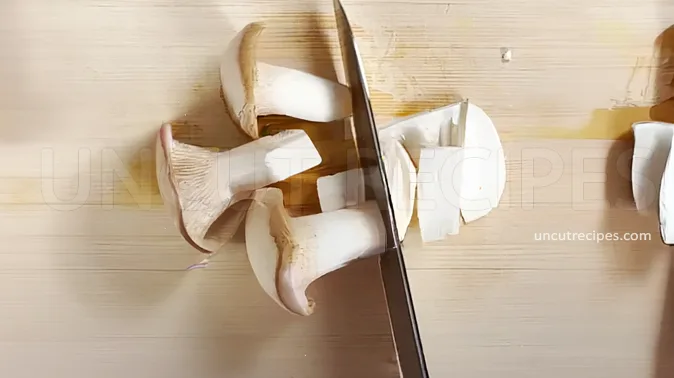
03 - Preparing King Oyster Mushrooms: For your king oyster mushrooms, the aim is to create small, bite-sized pieces. This size will work well with the rice and other ingredients, creating a balanced mouthful in each bite.
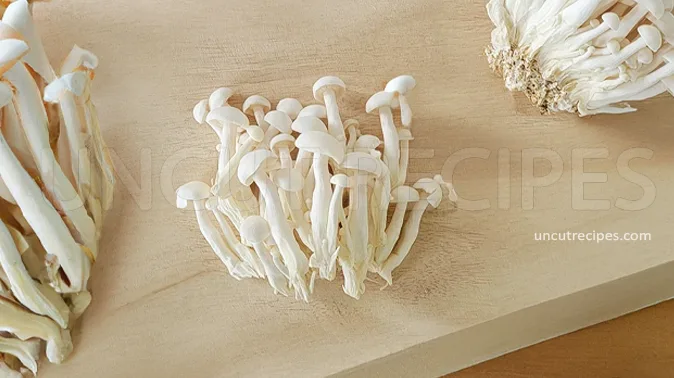
04 - Preparing Shimeji Mushrooms: For the shimeji mushrooms, start by cutting off the bunch's bottoms. Once done, pull apart the individual mushrooms with your fingers, creating small, manageable pieces.
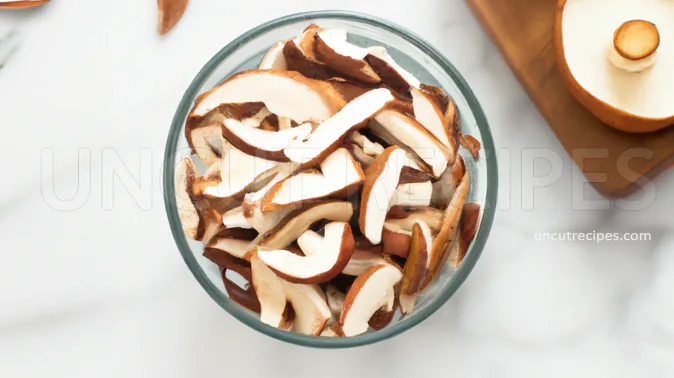
05 - Preparing Shiitake Mushrooms: Move to the shiitake mushrooms. Slice off and discard the stems, and then thinly slice the caps. Thin slices ensure quicker, even cooking and easier eating.
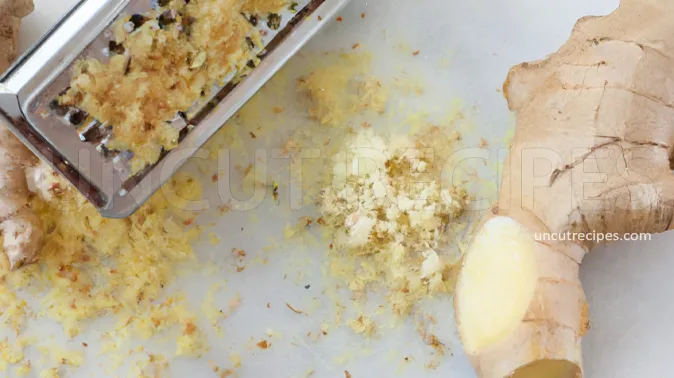
06 - Handling the Ginger: Now, peel the skin off your ginger and grate it. Hold on to the grated ginger, setting it aside for a couple of minutes.
07 - Preparing the Garlic: The garlic needs to be minced. Chop finely until you've achieved tiny pieces. Set this aside with your ginger.
08 - Combining Ingredients for Rice: Next, you'll combine your ingredients. Into your rice pot, add the rice you drained earlier, dashi, soy sauce, mirin, sake, and salt.
09 - Adding in Flavor: Add the previously prepared ginger and minced garlic to your pot. Stir all the rice and seasoning together, ensuring the flavours infuse into each grain.
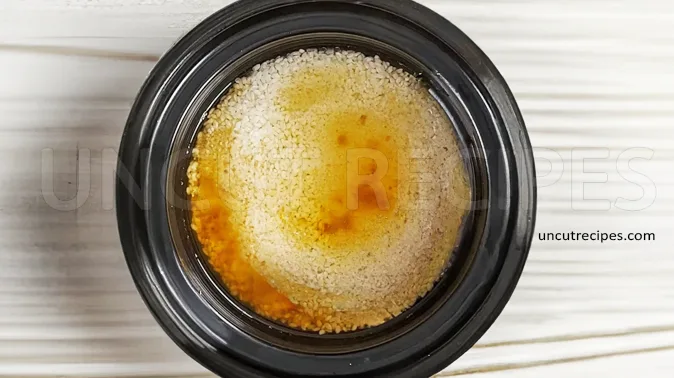
10 - Distributing Rice: To make sure the rice cooks evenly, give the pot a gentle shake and use your fingers to spread out the rice. It should be submerged evenly in the liquid.
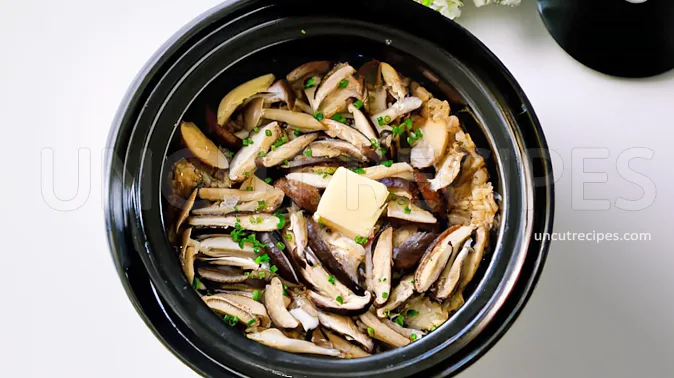
11 - Arranging Mushrooms: Arrange your prepped mushrooms atop the rice. Arrange the brown shiitake caps and shimeji mushrooms aesthetically, as they'll be on display when you serve the rice. But remember, do not stir them into the rice. They need to sit on top to ensure even cooking.
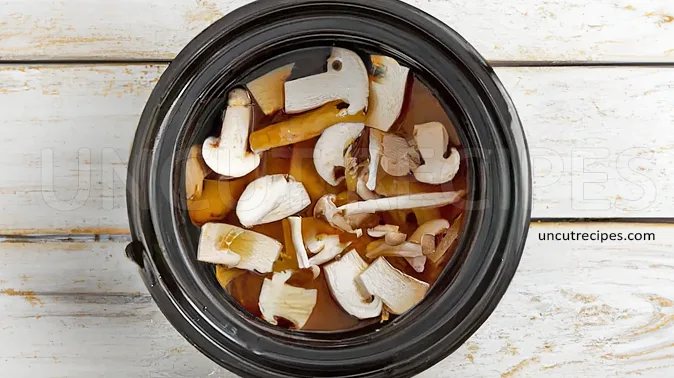
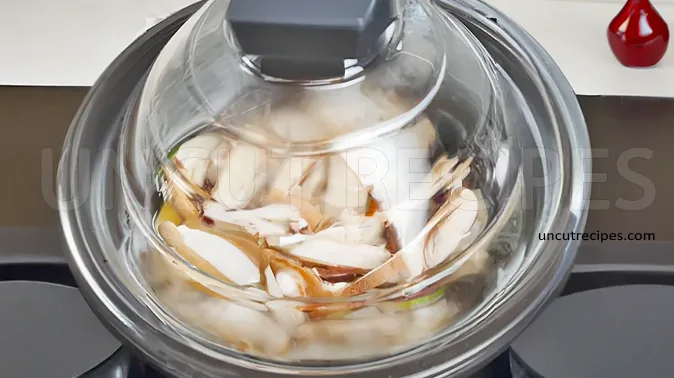
12 - Soaking and Cooking: Cover your pot and allow the rice to soak for about 20-30 minutes. This is a key step for making Japanese short-grain rice as it helps achieve the right texture. The cooking time varies based on what type of pot you're using. If you're using a Hario GohanGama, cook on medium-high heat until it starts to whistle, which should take about 10-11 minutes. For a regular pot or donabe, cook on medium-high heat for approximately 13-15 minutes. If you're using an electric rice cooker, select the Mixed Rice menu, if it's available, and start cooking.
13 - Post-Cooking Steps: After the rice is done cooking, the next steps depend on your type of pot. If you're using a Hario GohanGama, let it whistle for 1-2 minutes more before turning off the heat. With a regular pot or donabe, remove from the heat immediately once the rice is cooked. Allow the rice to steam, with the lid on, for 20 minutes if you're using a GohanGama or 10 minutes for the other options. Resist the temptation to peek or stir during this period; it's critical to let the steam do its job.
14 - Chopping Chives: While the rice is resting, use this time to chop your chives finely and transfer them onto a small plate.
15 - Preparing Toppings: Likewise, get your sea salt flakes and butter ready on separate small plates.
16 - Final Touches: Once the rice has finished steaming, carefully open the lid and put half of the butter on top of the mushrooms, then quickly re-cover the pot. The residual heat will melt the butter, adding another layer of flavor to your dish.
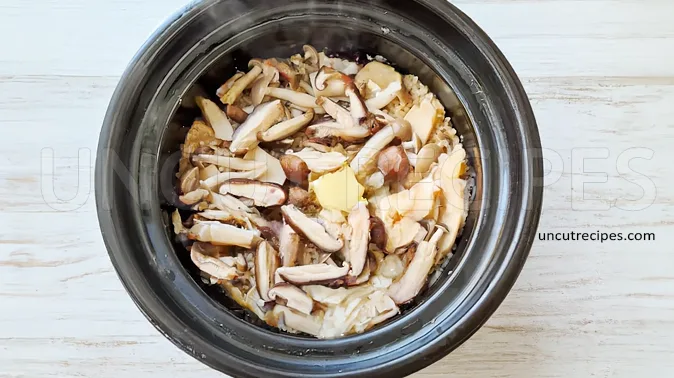
To Serve:
17 - Adding Flavour and Colour: Sprinkle your beautifully chopped chives and sea salt flakes over the rice. This enhances the dish's flavor and adds visual appeal.
18 - Mixing with Care: Using a slicing motion, gently mix the mushrooms into the rice. This motion helps to avoid mashing the rice grains, keeping them fluffy and intact.
19 - The Finishing Touch: Now it's time to serve your masterpiece! Divide the mushroom rice into individual bowls and garnish with a sprinkle of extra chives and sea salt, if you like. You've now successfully prepared a delicious serving of Japanese Mushroom Rice, or as it's traditionally known, きのこご飯!
Notes:
Rice Type: This recipe specifically calls for Japanese short-grain rice, which is known for its stickiness and is an essential component of traditional Japanese cuisine. Other types of rice will yield different textures and may affect the overall flavor of the dish.
Rice to Water Ratio: When cooking rice, especially Japanese short-grain rice, it's important to get the ratio of rice to water right for the best texture. For this recipe, the ratio is 1 to 1.1 or 1.2. This means that for every cup of rice, you'll need to add 1.1 to 1.2 cups of water. This slight surplus of water helps the rice to cook properly and become tender without getting too dry or too sticky. If you have a measuring cup, use it for precision. If you don't, you can use the same cup or container to measure both the rice and water to maintain the correct ratio.
Cooking Equipment: In this recipe, you can use a Hario GohanGama, which is a type of donabe, or Japanese clay pot rice cooker. The nature of clay allows heat to be distributed evenly and slowly, which is ideal for cooking rice. If you don't have a donabe, no worries! You can still make this dish using an electric rice cooker. Just follow the usual cooking process outlined by the manufacturer, and remember to use the same rice-to-water ratio mentioned above. Alternatively, you can also cook your rice in a heavy-bottomed pot. A pot with a heavy bottom is thick at the base, which allows it to distribute heat evenly, mimicking the slow and even heating process of a donabe. Simply follow the same steps as the recipe, adjusting the cooking time if necessary.
Mushroom Varieties: The recipe uses a combination of king oyster, shiitake, and shimeji mushrooms. If you can't find any of these specific varieties, feel free to substitute with other types of mushrooms available in your region. Each type of mushroom will lend a unique flavor and texture to the dish, so feel free to experiment.
Dashi: Dashi is a fundamental Japanese stock made from seaweed and bonito flakes. If you don't have dashi, you can substitute it with a mild vegetable or chicken broth. However, this will change the flavor profile of the dish slightly.
Soaking the Rice: Soaking the rice in the cooking liquid before turning on the heat allows the grains to absorb the flavors more deeply. It also helps achieve a more even cooking result. Don't skip this step if you want to get the best taste and texture.
Cooking Equipment: The cooking times and methods outlined in this recipe are specific to a Hario GohanGama, donabe, and electric rice cooker. If you're using a different type of pot or a different brand/model of rice cooker, you may need to adjust the cooking time accordingly. Always follow the manufacturer's instructions for your specific appliance.
Cooking Temperature: Japanese rice dishes typically require medium-high heat for cooking. High heat might cause the rice to cook unevenly or even burn. Therefore, keep a close eye on the heat level throughout the cooking process.
Storing Leftovers: If you have leftovers, allow the rice to cool completely before storing it in an airtight container in the refrigerator. It's best consumed within a day or two. To reheat, add a splash of water to the rice to prevent it from drying out, then microwave it covered on medium power until heated through.
Garnish: The sea salt flakes, chives, and butter not only add flavor to the dish but also enhance its presentation. Feel free to adjust the amounts to your personal preference. If you're not a fan of chives, you could substitute with finely chopped spring onions or parsley.
Serving Size: The recipe quantities mentioned are for a serving size of approximately one. If you're cooking for more people, make sure to adjust the ingredient quantities proportionately.
Choice of Herbs: This recipe calls for chives, which are delicate, onion-like herbs that add a subtle flavor and a nice green color to the dish. If you can't find chives or if you prefer a different taste, you can substitute them with scallions (also known as green onions). They have a slightly more robust flavor but will work well in this recipe. Just chop them finely before use, focusing on the green parts for a milder taste and the white parts for a more intense flavor.
Rice Washing: Washing the rice removes excess starch and prevents the grains from sticking together too much. The water doesn't have to be perfectly clear, but it should be significantly less cloudy after washing.
Nutritional Information
( Per Portion )
|
Calories |
285 kcal (14%) |
| Total Carbohydrate | 52g (19%) |
| Cholesterol | 16mg (5%) |
|
Total Fat |
8g (10%) |
| Saturated Fat | 4.5g (23%) |
| Polyunsaturated Fat | 1g (6%) |
| Monounsaturated Fat | 2g (13%) |
| Trans Fat | 0g |
| Fibers | 2g (7%) |
| Protein | 5g (10%) |
| Sugar | 2g (4%) |
|
Vitamin A |
300 IU (6%) |
|
Vitamin B1 (Thiamin) |
0.4mg (33%) |
| Vitamin B2 (Riboflavin) | 0.1mg (8%) |
| Vitamin B3 (Niacin) | 4mg (25%) |
| Vitamin B5 (Pantothenic Acid) | 5mg (10%) |
| Vitamin B6 | 0.1mg (6%) |
| Vitamin B7 (Biotin) | 2mcg (7%) |
| Vitamin B9 (Folate) | 25mcg (6%) |
| Vitamin B12 | 0.3mcg (12%) |
| Vitamin C | 3mg (3%) |
| Vitamin D | 0 IU (0%) |
| Vitamin E | 0.5mg (3%) |
| Vitamin K | 15mcg (12%) |
| Choline | 20mg (4%) |
| Carnitine | 5mg |
|
Calcium |
25mg (2%) |
|
Chloride |
200mg (9%) |
| Chromium | 2mcg (6%) |
| Copper | 0.1mg (11%) |
| Fluoride | 0.01mcg (<1%) |
| Iodine | 5mcg (3%) |
| Iron | 2mg (11%) |
| Magnesium | 25mg (6%) |
| Manganese | 0.5mg (22%) |
| Molybdenum | 5mcg (11%) |
| Phosphorus | 100mg (8%) |
| Potassium | 250mg (5%) |
| Selenium | 10mcg (18%) |
| Sodium | 400mg (17%) |
| Sulfur | 80mg |
| Zink | 1mg (9%) |
* Percent Daily Values are based on a 2,000 calorie diet. Your daily values may be higher or lower depending on your calorie needs.
** Nutrient information is available for all ingredients in this recipe. Amount is based on available nutrient data collected from all over the internet.
(-) Information is not currently available for this nutrient. If you are following a medically restrictive diet, please consult your doctor or registered dietitian before preparing this recipe for personal consumption. |
     |
| Written by: Uncut Recipes | Disclaimer |
| YOU MIGHT ALSO LIKE: |
| LATEST RECIPES: |

18 Reviews

Sallie
June 07, 2023 |
Bertha
June 06, 2023 Even though I couldn't locate every single ingredient, the dish turned out impressively well. |
Hope
June 05, 2023 The rice in this dish was an absolute delight! Heartfelt thanks for sharing this recipe! |
Gay
June 03, 2023 Opting for a combination of shiitake and oyster mushrooms, I utilized the stovetop pot method to prepare this tonight. The result was nothing short of a culinary masterpiece! |
June 19, 2023
My trusty Zojirushi rice cooker, a purchase I made a decade ago in Japan, was the perfect partner in creating this delectable dish.