



This recipe has earned a permanent spot in my favorites. Can't wait to recreate it. 😄
Candied Sweet Potatoes Recipe ( Daigaku Imo 大学芋 )
Recipes > Japanese Recipes > Japanese Soup Recipes
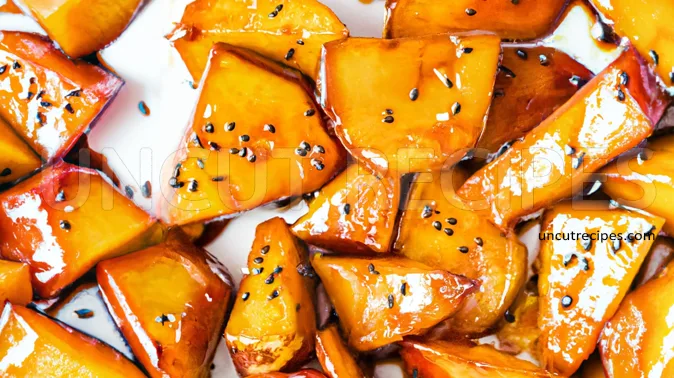
Picture this: A bustling street in Tokyo where the air is filled with laughter, chatter, and the sweet, caramelized aroma of candied sweet potatoes. This is the sensory memory that our Daigaku Imo - or Japanese Candied Sweet Potatoes - evokes.
The name Daigaku Imo, which translates to "University Potato," takes us back in time to the early 1900s when it was a popular and affordable snack among Japanese university students. It's a humble nod to the nostalgia of youth and simpler times, of students gathered in friendly huddles, relishing each bite as they dreamed about their futures.
Today, we are bringing this piece of history to your kitchen. This recipe, with its golden sweet potatoes coated in a glossy, sweet syrup, is a homage to those students who studied, dreamed, and snacked, unknowingly creating a culinary tradition.
The journey begins with the selection of Japanese sweet potatoes, known as Satsumaimo, whose natural sweetness perfectly balances the savory notes of soy sauce and Mirin in the recipe. We then guide you through the process of slicing them using the traditional Rangiri cutting technique, creating interesting shapes and maximizing the sweet surface area for our candy syrup to cling to.
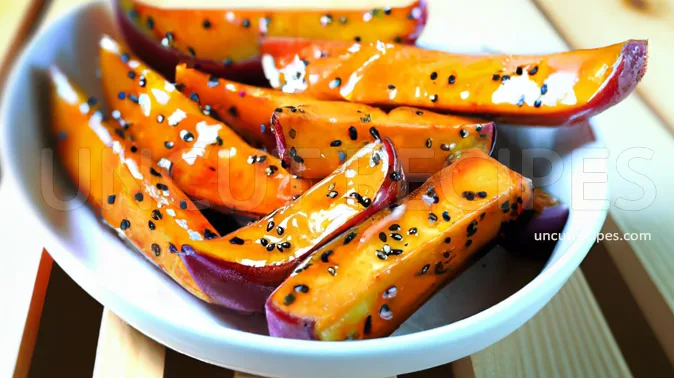
But what truly sets this dish apart is the finish - a delicate sprinkle of toasted black sesame seeds. This final touch adds a subtle crunch, making each bite a perfect symphony of soft, crisp, sweet, and salty.
Embark on this delightful culinary journey and allow each golden morsel to transport you to those vibrant streets of Tokyo, to the heart of Japanese culture and history. Whether you're a university student, a cooking enthusiast, or someone experiencing Japanese cuisine for the first time, these candied sweet potatoes are your ticket to a delectable journey through time.
So, roll up your sleeves, gather your ingredients, and get ready to create a bit of edible history in your own kitchen. Happy cooking!
JUMP TO:
INGREDIENTS:
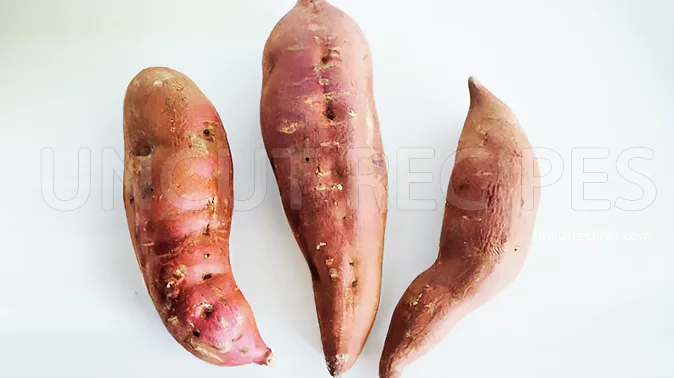
Japanese Sweet Potato (Satsumaimo): Satsumaimo, is a unique variety of sweet potato with a purplish skin and yellowish flesh. It is known for its sweet flavor, which makes it the most suitable for this recipe. Choose sweet potatoes that are firm, have smooth skin, and are free from cuts, bruises, or spots. The size should be medium to large, as smaller potatoes can be difficult to slice using the Rangiri technique.
Neutral-Flavored Oil: a neutral oil like canola, sunflower, or vegetable oil is recommended for deep frying because it does not impart any additional flavors to the sweet potatoes.
MAIN STEPS:
Washing & Cutting Potatoes: It's important to wash the potatoes gently, preserving their skin which contributes both texture and nutrients. The Rangiri cutting technique, involving diagonal cuts and quarter turns, isn't just fancy—it's functional, creating more surface area for optimal cooking and flavor absorption.
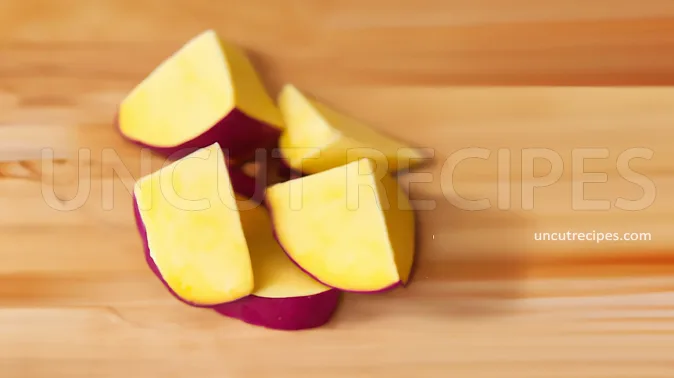
Soaking Potatoes: Soaking the cut potatoes in salt water for 15 minutes is an often overlooked, yet critical, step. It leaches out the excess starch, which helps in achieving that much-desired crispiness. Neglecting this step can result in a final product that's less crispy and more soggy.
Heating the Oil: Precision is key here. Heating the oil to the right temperature (320°F or 160°C) ensures the potatoes fry to a lovely golden-brown without burning or becoming too greasy. Use a kitchen thermometer for accuracy.
Checking Potato Doneness: Use a wooden skewer to confirm the potatoes are cooked perfectly. It should slide in without resistance, ensuring your potatoes are soft and tender on the inside.
Making the Candy Syrup: This is where your patience and careful attention come into play. Start off the heat to prevent the sugar from burning. Once you move to the heat, keep a watchful eye for when the mixture begins to boil. At this stage, adding vinegar and soy sauce will start to create a magical amalgamation that imparts a unique, authentic flavor to the dish.
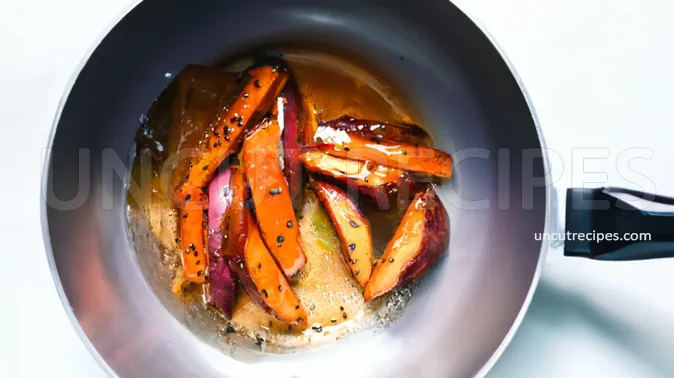
Reducing the Syrup: The candy syrup should reach a consistency where a drawn line on the pan holds momentarily before filling back in. Rushing this step may result in a syrup that's too thin to adequately coat and candy the potatoes.
Coating the Potatoes: Ensure the potatoes are fully coated in the syrup for the right balance of sweet, savory, and umami flavors. Switch off the heat before this step to prevent overcooking.
Adding the Sesame Seeds: Lastly, don't forget to sprinkle the toasted sesame seeds while the potatoes are still warm. They add a wonderful crunch and nutty flavor, contrasting beautifully with the soft, sweet potatoes.
SERVED WITH:
Starter: Spicy Edamame (Japan): These young soybeans, boiled in their pods and lightly spicied, are a common starter in Japanese cuisine. They offer an alternative start that still compensate the sweetness of the Candied Sweet Potatoes.
Side Dish: Miso Soup (Japan): This traditional Japanese soup made from a dashi stock and miso paste is usually served with tofu and green onions. The savory, umami flavor of the soup offers a lovely contrast to the sweet and salty notes in the Candied Sweet Potatoes.
Main Course: Teriyaki Salmon (Japan): This dish features salmon fillets marinated and glazed in a sweet and sticky teriyaki sauce. It's a delicious main course with sweet and savory elements that harmonize with the Candied Sweet Potatoes.
Second Course: Chawanmushi (Japan): A traditional Japanese steamed egg custard dish, often infused with soy sauce, mirin, and dashi, then filled with a variety of ingredients such as shrimp, chicken, mushrooms, or ginkgo nuts. Its delicate, savory flavor offers a wonderful counterbalance to the sweetness of the potatoes.
Dessert: Matcha Ice Cream (Japan): The slightly bitter, creamy matcha ice cream is a delightful follow-up to the sweet and salty Candied Sweet Potatoes. Its coolness can also cleanse the palate after the warm, sugary potatoes.
Cake: Castella (Japan): This is a popular Japanese sponge cake made of sugar, flour, eggs, and starch syrup. It's subtly sweet and would be a nice, light complement to the sweet, rich Candied Sweet Potatoes.
Drink: Houjicha Tea (Japan): Houjicha is a roasted green tea known for its reddish-brown color. It has a toasty, slightly caramel-like flavor with less bitterness than most green teas. This soothing, warm drink pairs perfectly with the sweet, crispy Candied Sweet Potatoes.
ALTERNATIVES:
Appetizer: Sweet Potato Tempura (Japan): A popular dish in Japanese cuisine, tempura involves coating pieces of sweet potato in a light batter and deep-frying them until crispy. This simple, yet delicious appetizer lets the natural sweetness of the sweet potatoes shine through.
Side Dish: Honey Roasted Sweet Potatoes (United States): A simple side dish where sweet potatoes are tossed in honey (or sugar), and then roasted until they're caramelized. The outcome is a delightful dish with a similar sweet profile as Candied Sweet Potatoes.
Main Course: Japchae (South Korea): A traditional Korean dish made with sweet potato starch noodles stir-fried with vegetables and sometimes meat in a sweet soy sauce mixture. Though not exactly similar to Candied Sweet Potatoes, it uses sweet potato in a unique way.
Second Course: Purple Sweet Potato Gnocchi (Italy): These small, soft dumplings are made from purple sweet potato, flour, and egg. They're typically served with a simple sage butter or a rich, creamy sauce, offering a balance to the sweet potato's natural sweetness.
Dessert: Sweet Potato Halwa (India): A classic Indian dessert made by slow-cooking grated sweet potatoes with ghee, sugar, and spices until it turns into a thick, sweet pudding. It mirrors the sweet profile of the Candied Sweet Potatoes.
Bakery: Sweet Potato Bread (United States): Similar to banana bread, this moist and flavorful loaf makes a delightful breakfast or dessert. Sweet potatoes are mashed and mixed into the batter, giving the bread a soft, tender crumb and a light sweetness.
Drink: Sweet Potato Latte (South Korea): This unique and comforting beverage blends steamed milk, sweet potato puree, and a touch of sugar or honey. The resulting drink is warm, subtly sweet, and a great complement to a meal.
HISTORY:
The story of Daigaku Imo is believed to have begun in Tokyo during the early 20th century. Its name, which translates to "university potatoes", offers an intriguing hint to its origins. The term 'daigaku' refers to universities, reflecting its popularization among cash-strapped university students in Tokyo around the Taisho period (1912-1926). The affordability and high energy content of sweet potatoes made them the perfect snack for these hardworking scholars.
Legend has it that a creative student, striving to pay his university fees, came up with the idea of selling deep-fried sweet potatoes coated in a sweet syrup. He established a small cart near the Tokyo Imperial University, which is now the University of Tokyo, and the dish was an instant hit. He named the snack "Daigaku Imo," a clever marketing tactic that combined the appeal of the academic dream with the humble, yet satisfying nature of the dish.
In Japan, sweet potatoes, or 'satsumaimo', were considered a valuable source of nutrition and energy, especially during times of rice shortage. The addition of the sweet glaze to the already cherished sweet potatoes was a game changer, elevating it to a beloved treat for all ages.

Over the years, the popularity of Daigaku Imo spread beyond university vicinities. It started to grace the stalls of numerous street vendors and even entered the home kitchens across Japan. Variations of the recipe began to emerge, with some using different types of sweeteners and garnishes, while others tried out unique frying techniques.
Fast forward to the 21st century, Daigaku Imo stands as a nostalgic comfort food for many Japanese people. Even now, you can find it being served as a dessert in Japanese restaurants worldwide. Despite its simplicity, the dish encapsulates a piece of Japan's cultural history and resonates with the universal love for sweet, heartwarming treats. From the bustling streets of Tokyo to international dining tables, the humble Daigaku Imo continues to remind us of the simple joy of food and its power to connect us to our roots.
TIPS:
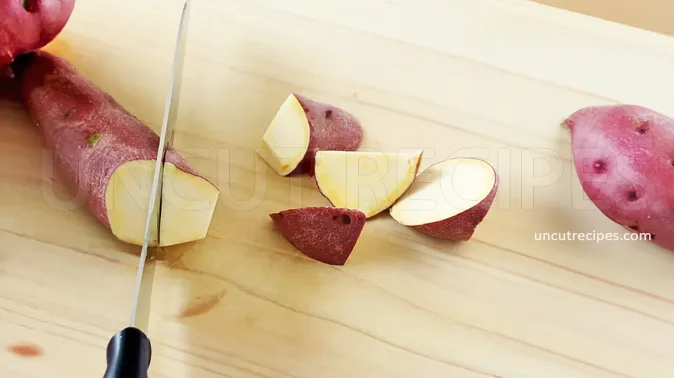
Perfecting Rangiri Cut: The Rangiri or random cut is a key Japanese technique used in this recipe. While it seems simple, it's important to aim for similar sizes so all pieces cook evenly. Holding the knife at a diagonal angle also aids in achieving the classic shape.
Double Frying Technique: For a crispier exterior and tender interior, you might want to consider the double frying method. Fry the potatoes at a lower temperature first, around 150°C, remove and let them rest for a few minutes, then fry again at a higher temperature, around 180°C. This results in a super crispy exterior and fully cooked, fluffy interior.
Adding Aromatic Elements: For a unique spin, consider infusing your oil with flavors before frying the sweet potatoes. A couple of garlic cloves or a sprig of rosemary can add an aromatic touch. Instead of Vinegar... wanna try Lemon Juice? That's an unique twist you might want to try!
Experiment with Sweeteners: While sugar is the traditional sweetener, feel free to experiment with others like honey or maple syrup. They each bring a different flavor profile and can add depth to your syrup.
Temperature Control for Syrup: The process of creating the syrup is crucial in this recipe. Don't rush it; keeping your heat on medium and patiently reducing the syrup will ensure it develops the proper thickness and stickiness. Overheating can lead to a bitter, burnt taste.
Presentation is Key: Chefs often say, "We eat with our eyes first." Consider serving your Daigaku Imo on a beautiful ceramic plate with a sprinkling of extra sesame seeds and perhaps a light dusting of powdered sugar for an added visual appeal.
Try Different Toppings: While black sesame seeds are traditional, feel free to play around with other toppings like chopped nuts or even matcha powder for a unique twist.
Gradual Addition of Potatoes: Instead of adding all the sweet potatoes to the oil at once, consider gradually introducing them. This will prevent the oil temperature from dropping too rapidly, ensuring that each piece is fried evenly.
Recipe Information
Skill Level
|
Time 50 Minutes |
Price
|
Serves 4 People |
Healthiness |
Nutritional Information |
Ratings (Add Rating & Review) |
Reviews 22 Reviews |
Ingredients:
-
2 Japanese Sweet Potatoes
( also known as Satsumaimo )
2 cups Neutral-Flavored Oil
( for deep frying )
5 tablespoons Sugar
1.5 tablespoons Water
1 tablespoons Mirin
2 teaspoons Diamond Crystal Kosher Salt
( for soaking the Sweet Potatoes )
1 teaspoon Rice Vinegar
1 teaspoon Soy Sauce
1 teaspoon Toasted Black Sesame Seeds
( for garnish )
Allergens
 |
 |
| Sesame | Soy |
Directions:
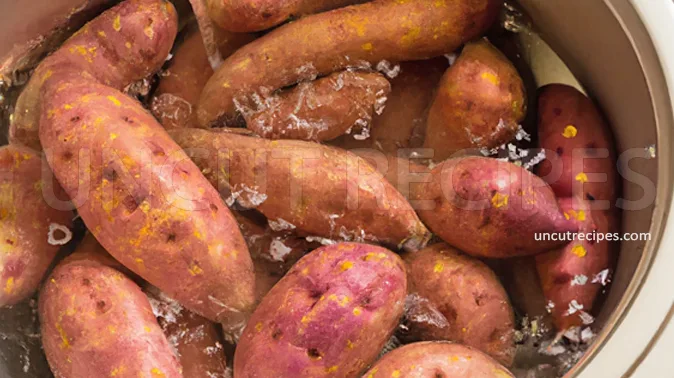
01 - Begin by gently washing your Sweet Potatoes. Make sure to leave the skin intact - it's loaded with nutrients and we want to keep it on.
02 - Now, it's time to cut the Sweet Potatoes. The more traditional recipe calls for a Japanese technique called "Rangiri". What you'll do is slice the potato diagonally, then give it a quarter turn and make another cut. Repeat this process until you've cut up all the Sweet Potatoes. Alternatively, you can simply cut the Potatoes the way you feel more confortable with.
03 - Place the cut Sweet Potatoes into a large bowl filled with 8 cups of Water and the specified amount of salt. Leave them to soak for about 15 minutes. This process will help remove any excess starch, making the Potatoes crispier when fried.
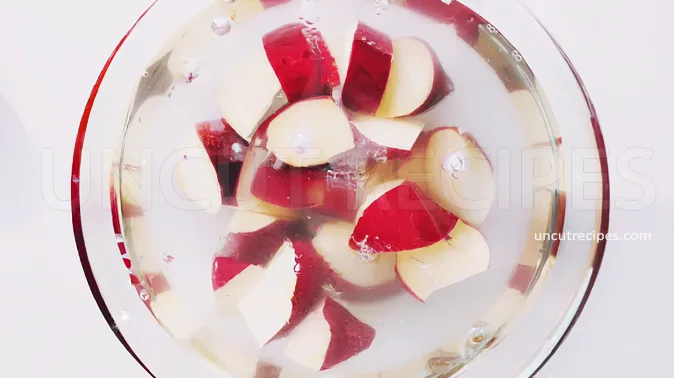
04 - Once the Sweet Potatoes have finished soaking, remove them from the Water and pat them dry using a kitchen towel or some paper towels.
05 - Now, let's move onto heating the Oil. Pour your Neutral-Flavored Oil into a medium-sized pot and heat it until it reaches 320°F or 160°C. You can use a kitchen thermometer to ensure the right temperature.
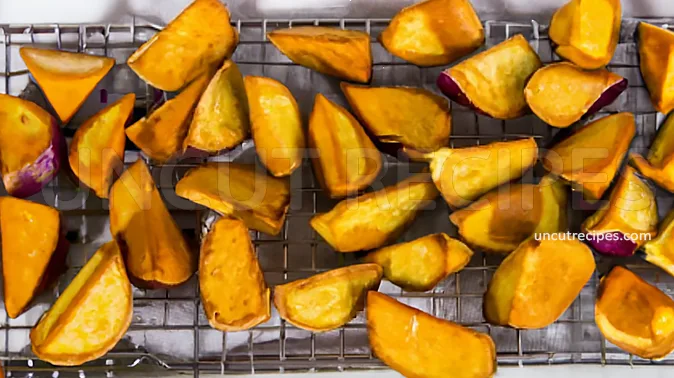
06 - When the Oil is hot enough, carefully add the Sweet Potatoes. Allow them to deep fry until they turn a lovely golden-brown color, which should take around 10 minutes.
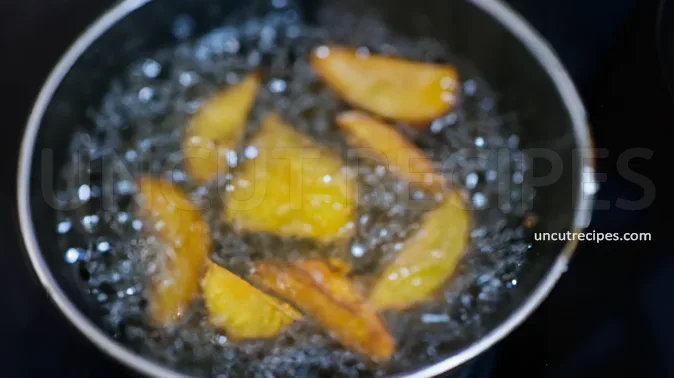
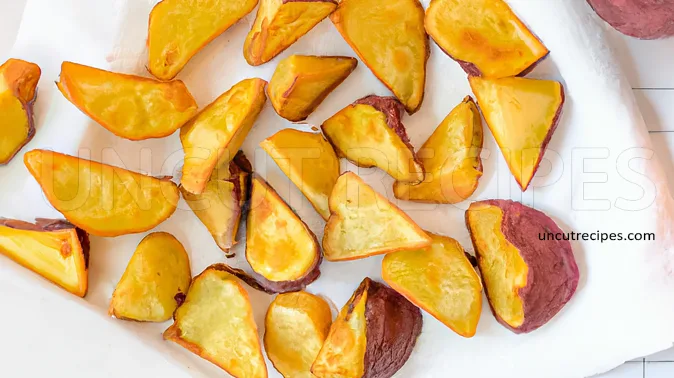
07 - To check if the potatoes are perfectly cooked, insert a wooden skewer into one. If it glides through without resistance, they're done! Carefully transfer the fried Potatoes to a wire rack or a layer of paper towels to drain the excess Oil.
Candy Syrup preparation:
08 - For the Candy Syrup, start by mixing the sugar, Water, and Mirin in a large frying pan. Do this off the heat to ensure the sugar doesn't burn.
09 - Once combined, place the pan on the stove over medium heat. Let the mixture heat up until it starts to boil.
10 - As soon as you see bubbles forming, it's time to add the Vinegar and Soy Sauce to the mix.
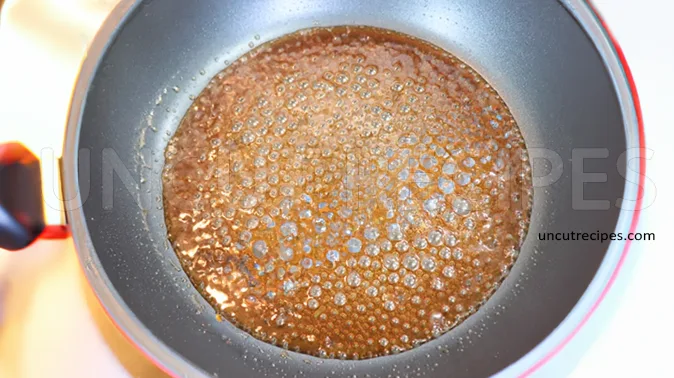
11 - Keep the heat on medium and stir the mixture continuously. What you're looking for is a reduction in the mixture until it reaches a Syrup-like consistency.
12 - When the Syrup has thickened to the point where you can draw a line on the pan and it holds for a moment, add in the fried Sweet Potatoes.
13 - Turn off the heat and toss the Sweet Potatoes around in the pan to ensure they are fully coated in the Syrup.
14 - While the Syrupy Potatoes are still warm, sprinkle them generously with Black Sesame Seeds. They'll stick to the Syrup, adding a delightful crunch.
15 - Serve up your candied Sweet Potatoes on a plate or in a bowl. Now comes the best part: Enjoy your homemade Candied Sweet Potatoes!
Notes:
The Art of Rangiri: If you find the Rangiri cutting technique challenging, it's perfectly fine to simply cut the sweet potatoes into chunks. However, remember that the size of your pieces can impact the cooking time.
Fryer Safety: Be extremely cautious when heating the oil and adding sweet potatoes to avoid any splashing of hot oil. Always maintain a safe distance from the oil.
Perfecting the Candy Syrup: It's crucial to get the consistency of your syrup right. It should not be overly thin or excessively thick. A too runny syrup will not coat the potatoes effectively, and if it's too thick, it may become overly sticky. Keep a close eye on your syrup as it simmers.
Mirin Substitution: If Mirin is not available, you can replace it with half the amount of sugar. This will still add a touch of sweetness that complements the savory aspects of the dish.
Frying Batches: To ensure even cooking, refrain from overcrowding the pot. Fry the sweet potatoes in batches if necessary.
Testing Doneness: Use a skewer or a fork to test whether your sweet potatoes are done. The ideal texture is tender but not overly soft. If the skewer doesn't slide through easily, give them a little more time.
Alternative Cooking Method: If you're not a fan of deep frying, these sweet potatoes can also be roasted in the oven. This will slightly alter the texture, but the result will still be delectable.
Storage and Reheating: These candied sweet potatoes are best enjoyed fresh, when the coating is at its most glossy and sticky. If there are leftovers, store them in an airtight container at room temperature for a day or two. Reheat gently in the oven or microwave, but note that the texture of the syrup coating may change.
Garnishing with Black Sesame Seeds: Black sesame seeds not only garnish the dish but also add a flavorful crunch. Remember to sprinkle them while the candy coating is still soft and warm. Once it hardens, the sesame seeds won't stick. If you don't have black sesame seeds, they can be omitted or replaced with toasted white sesame seeds.
Nutritional Information
( Per Portion )
|
Calories |
370 kcal (18.5%) |
| Total Carbohydrate | 50g (18%) |
| Cholesterol | 0mg (0%) |
|
Total Fat |
20g (31%) |
| Saturated Fat | 3g (15%) |
| Polyunsaturated Fat | 7g (43.8%) |
| Monounsaturated Fat | 10g (62.5%) |
| Trans Fat | 0g (0%) |
| Fibers | 7g (28%) |
| Protein | 2.5g (5%) |
| Sugar | 16g (32%) |
|
Vitamin A |
850 IU (28%) |
|
Vitamin B1 (Thiamin) |
0.12mg (10%) |
| Vitamin B2 (Riboflavin) | 0.05mg (4%) |
| Vitamin B3 (Niacin) | 1.0mg (6.3%) |
| Vitamin B5 (Pantothenic Acid) | 0.3mg (6%) |
| Vitamin B6 | 0.2mg (11.8%) |
| Vitamin B7 (Biotin) | 3.4mcg (11.3%) |
| Vitamin B9 (Folate) | 12mcg (3%) |
| Vitamin B12 | 0mcg (0%) |
| Vitamin C | 27mg (30%) |
| Vitamin D | 0 IU (0%) |
| Vitamin E | 0.5mg (3.3%) |
| Vitamin K | 2mcg (1.7%) |
| Choline | 15.5mg (3%) |
| Carnitine | 3mg |
|
Calcium |
50mg (5%) |
|
Chloride |
40mg (2%) |
| Chromium | 5.4mcg (15.4%) |
| Copper | 0.1mg (11%) |
| Fluoride | 2.7mcg (7.5%) |
| Iodine | 3.8mcg (2.5%) |
| Iron | 1.1mg (6%) |
| Magnesium | 25mg (6%) |
| Manganese | 0.5mg (22%) |
| Molybdenum | 4.5mcg (10%) |
| Phosphorus | 75mg (7.5%) |
| Potassium | 500mg (10.6%) |
| Selenium | 1mcg (2%) |
| Sodium | 590mg (26%) |
| Sulfur | 26mg |
| Zink | 0.4mg (4%) |
* Percent Daily Values are based on a 2,000 calorie diet. Your daily values may be higher or lower depending on your calorie needs.
** Nutrient information is available for all ingredients in this recipe. Amount is based on available nutrient data collected from all over the internet.
(-) Information is not currently available for this nutrient. If you are following a medically restrictive diet, please consult your doctor or registered dietitian before preparing this recipe for personal consumption. |
     |
| Written by: Uncut Recipes | Disclaimer |
| YOU MIGHT ALSO LIKE: |
| LATEST RECIPES: |

22 Reviews

Lola
June 15, 2023 |
Janny
June 14, 2023 I substituted honey for the sugar and the result was mind-blowing. |
Yvette
June 11, 2023 For anyone curious, I tried using an air fryer for this recipe and the result was stellar. |
Graciela
June 09, 2023 Undeniably a top-notch recipe. Highly recommended! |
June 21, 2023
Surprisingly, sweet potatoes can be transformed into something magnificent like this. What a discovery!