




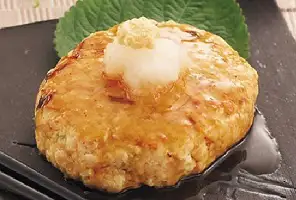
Just whipped up a batch of these Shokupan Crust Rusks after stumbling upon the recipe on your site, and they're a hit! Love how they've turned out.
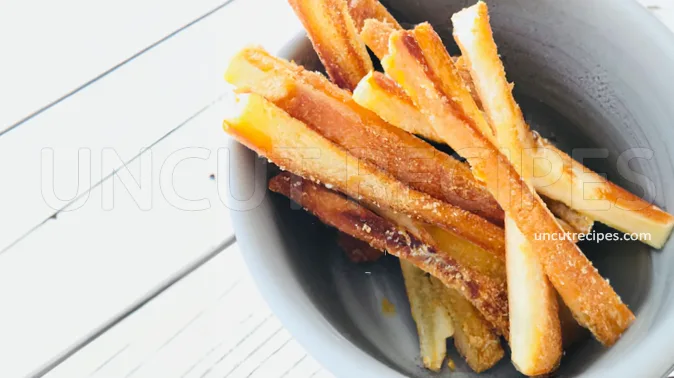
Imagine a typical morning in a quaint Japanese household. The table is set, with the aroma of freshly brewed coffee filling the air. But the highlight of the day isn't just the freshly brewed coffee; it's what accompanies it. It's a simple creation, born out of a desire to avoid wasting those perfectly good bread crusts that often ended up in the trash.
And so, our story begins with a half slice of soft milk bread, its crust carefully separated. A pat of unsalted butter and a sprinkle of sugar wait their turn. The unassuming bread crust takes a dive into the oven, only to emerge as something completely transformed, beautifully golden, crisp and delicately sweet.
The preparation process is an intricate dance between you and the ingredients. It begins with a warm oven, moves to the melting of the butter, the careful coating of the crust strips, the dusting of sugar, and ends with a satisfying crunch of the golden rusks. Every step of the way, you're reminded of the simplicity yet beauty of food transformation.
The aroma of baked bread and caramelizing sugar fills the kitchen, an announcement that it's time to serve these little golden delights. They’re best enjoyed at room temperature, with their crispiness perfectly contrasting a hot cup of coffee or tea.
JUMP TO:
INGREDIENTS:
Milk Bread: The star of this dish is the Japanese milk bread, also known as Shokupan. It has a delightful softness and light sweetness that work perfectly for making rusks. The bread is made from a combination of bread flour, milk (or milk powder), sugar, yeast, salt, and sometimes eggs. The crusts are typically discarded or repurposed in many homes, but for this recipe, they become the highlight. You'll want to choose fresh, soft milk bread, preferably a day old, to achieve the perfect level of crunch once baked. Alternatively, if you can't find milk bread, you can substitute it with another type of soft, white bread.
MAIN STEPS:
Oven Temperatures and Times: Respect the two-step baking process and the specified temperatures. The first, lower-temperature bake at 120C or 250F helps to dry the crusts, ensuring that they will turn into crisp rusks in the second, higher-temperature bake. Beware not to let them brown too much in the first bake, as they'll be going back into the oven later.
Spacing: When placing the crust strips on the oven rack or baking sheet, make sure to leave enough space between them. If the crusts are too close together, the heat won't circulate evenly, leading to unevenly baked rusks.
Butter Melting: Whether you choose to melt your butter on the stove or in the microwave, do so gently to avoid burning or separating the butter, which could affect the final taste and texture of the rusks.
Sugar Coating: Sprinkle the sugar evenly over the buttered crusts. An even coating will lead to a uniform crunch and sweetness in every bite.
Second Bake: The second baking step at 180C or 350F transforms your buttered and sugared crusts into golden brown, crisp rusks. Keep a close eye during this stage, as the sugar can quickly go from caramelized to burned.
Cooling: Don't skip the cooling step. The rusks need to cool completely to achieve their signature crispy texture. If some aren't quite there after they've cooled, the residual heat in the turned-off oven can help them along.
SERVED WITH:
Starter: Tomato Bisque (United States): This is a creamy, rich tomato soup that's often served with a dollop of sour cream or a swirl of heavy cream. The sweetness and crispiness of the Shokupan Crust Rusks could make a perfect accompaniment to this hearty soup, providing a textural contrast.
Side Dish: Caesar Salad (Mexico): A salad made from romaine lettuce and croutons dressed with lemon juice, olive oil, egg, Worcestershire sauce, anchovies, garlic, Dijon mustard, Parmesan cheese, and black pepper. The rusks could replace the traditional croutons for a unique twist.
Main Course: Minestrone Soup (Italy): This hearty vegetable soup with pasta or rice hails from Italy. A few pieces of Shokupan Crust Rusks on the side or crumbled on top would add a delightful crunch and a slight sweetness.
Second Course: Coq Au Vin (France): This is a French dish of chicken slow-cooked with wine, lardons, mushrooms, and possibly garlic. Baked Shokupan Crust Rusks can serve as a slightly sweet, crispy counterpoint to the savory, rich flavors of the dish.
Dessert: Creme Brulee (France): A rich custard base topped with a contrasting layer of hard caramel. Shokupan Crust Rusks would go well served on the side, adding an interesting texture and an extra hint of caramelized sweetness.
Cake: Matcha Cheesecake (Japan): This is a creamy, tangy cheesecake flavored with matcha, a type of powdered green tea. The rusks can be enjoyed alongside this dessert, providing a delightful crunch and balance to the creamy cheesecake.
Drink: Hojicha Latte (Japan): A soothing, warm drink made from Hojicha, a Japanese roasted green tea, and steamed milk. The slightly smoky, roasted flavor of the tea would be an excellent match for the sweet, buttery rusks, making for a perfect, relaxing tea time treat.
ALTERNATIVES:
Snack: Cinnamon French Toast (France): This simple and delightful snack consists of bread, eggs, butter, sugar, and cinnamon. It's usually served as a breakfast item or a sweet snack. Cinnamon is sprinkled over egged and buttered slices of bread, which are then toasted until golden.
Snack: Melba Toast (United Kingdom): Named after the Australian opera singer Dame Nellie Melba, this is a dry, thin, and crispy toast that's usually served with soups or salads. Bread is thinly sliced and toasted until crispy, similar to rusks.
Dessert: Bread and Butter Pudding (United Kingdom): This traditional British dessert uses stale or leftover bread, which is buttered, layered in a dish, and covered with a mixture of custard made from eggs, sugar, and milk or cream. It's then baked until set and often served with a sweet sauce.
Snack: Sugar Toast (China): A popular snack in Chinese bakeries, sugar toast is a slice of bread coated with a layer of butter and a generous amount of sugar, then toasted until the sugar is caramelized and slightly crunchy.
Dessert: Shahi Tukda (India): This is a royal Mughlai dessert of fried bread slices soaked in sweet saffron milk and garnished with dried fruits. It's a popular Indian twist on bread pudding, and a great way to use bread and sugar in a unique way.
Snack: Lazy Bruschetta (Italy): This classic Italian appetizer features grilled bread rubbed with garlic and topped with diced tomatoes, fresh basil, and sometimes mozzarella. While this savory application is a bit of a departure from the sweet rusks, it's a testament to the versatility of simple, quality ingredients.
HISTORY:
Ah, the story of Baked Shokupan Crust Rusks (パンの耳ラスク) is a delicious tale indeed, one that speaks of creativity, practicality, and a love for all parts of the bread loaf!
The rusk, in its most basic form, is a double-baked bread, often dry and crisp. Originating in Europe, rusks have been a part of seafaring provisions for centuries, as they are lightweight and have a long shelf life. When Japan started adapting western-style bread (shokupan) during the Meiji era (1868-1912), the rusk came along too.
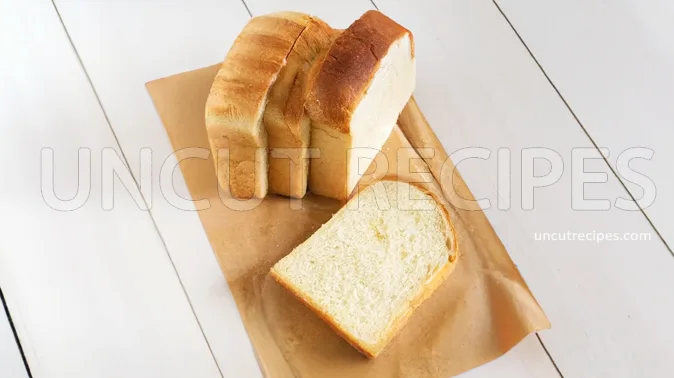
The term "pan no mimi" literally translates to "bread's ear," referring to the crust of the bread loaf that is often discarded or less favored due to its harder texture. Instead of letting it go to waste, Japanese homemakers started transforming these 'ears' into sweet, crispy rusks - a testament to the Japanese principle of "mottainai" or avoiding waste.
The Baked Shokupan Crust Rusk was, therefore, not invented by a single person, but rather is a collective creation born out of households across Japan. It quickly became a beloved treat, and now you'll find packaged versions of these rusks in supermarkets and bakeries throughout the country. They're not only a delicious and economical snack, but also an environmental initiative, promoting the use of every part of the bread!
The shokupan rusk has further grown in popularity with the rise of artisanal bakeries and cafes, with each place offering their own twist on this humble treat. They are often served alongside tea or coffee, making them a staple part of the Japanese teatime tradition.
Today, the Baked Shokupan Crust Rusks are more than just a clever way to use up bread crusts. They represent a blend of cultures, a history of adapting and appreciating food, and the simple joy that comes from turning something ordinary into an extraordinary delight.
TIPS:
Sweet and Spicy: For those who like a hint of warmth in their sweet treats, consider adding some ground cinnamon to your sugar. This small addition can add a depth of flavor that beautifully complements the sweet simplicity of the rusks.
Residual Heat is Your Friend: Not all ovens bake equally, and some crusts may need a bit more time to reach their full crispy potential. Don't be afraid to use the residual heat in your oven to further crisp up any underdone strips.
Wire Rack Wonder: Using a wire rack can be a game-changer. It allows the hot air to circulate around the crust strips, eliminating the need to flip them halfway through.
Recipe Information
Skill Level
|
Time 30 Minutes |
Price
|
Serves 4 People |
Healthiness |
Nutritional Information |
Ratings (Add Rating & Review) |
Reviews 22 Reviews |
Ingredients:
-
32 strips of crust from Japanese Milk Bread
( taken from 8 sliced of bread )
9 tablespoons Unsalted Butter
2 tablespoons Sugar
Allergens
 |
 |
| Dairy | Gluten |
Directions:
01 - Preheat your oven. If it's a toaster oven or a standard one, set it to 120C or 250F. If you have a convection oven, adjust the temperature slightly lower to prevent overcooking, by decreasing it by 15C or 25F.
02 - Prepare the bread. While your oven is preheating, take your slices of milk bread and cut the sides, and if you want, even the whole slice. Ensure all the strips are approximately the same size, this will help them to bake evenly.
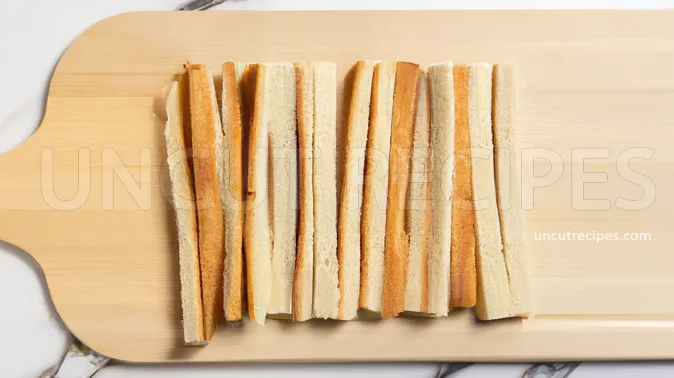
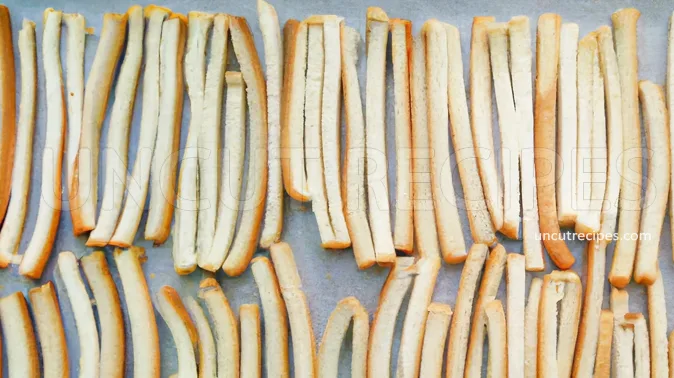
03 - It's time to place the crust strips into the oven. You can put them directly on the oven rack or lay them on a wire rack that's set on a baking sheet. Be sure to leave ample space between the strips for even baking. Let them bake for about 8-10 minutes, until they become dry and crisp, but be cautious not to let them turn brown at this stage.
To Bake the Crusts:
04 - Let's turn up the heat a notch! Preheat the oven to 180C or 350F. If you're using a convection oven, remember to decrease the temperature by 15C or 25F. Depending on the type of oven, adjust the oven rack to the upper middle position for standard ovens or the middle position for countertop ones.
05 - While the oven is preheating, let's prepare the butter. You can melt it gently in a pot over low heat on the stove, or use a microwave-safe glass bowl for a quicker method.
06 - Now, grab a pastry brush and use it to generously coat all sides of your oven-dried crust strips with the now melted butter.
07 - Sprinkle your buttered crusts lovingly with sugar, making sure to cover all sides for that perfect sweet crunch.
08 - Now, arrange your baking sheet with a wire rack on it. Place the sugary crust strips on the wire rack, ensuring each one has enough space to breathe. Let them bake in your preheated oven for about 5-10 minutes, until they turn a beautiful golden brown and have a nice crispy texture.
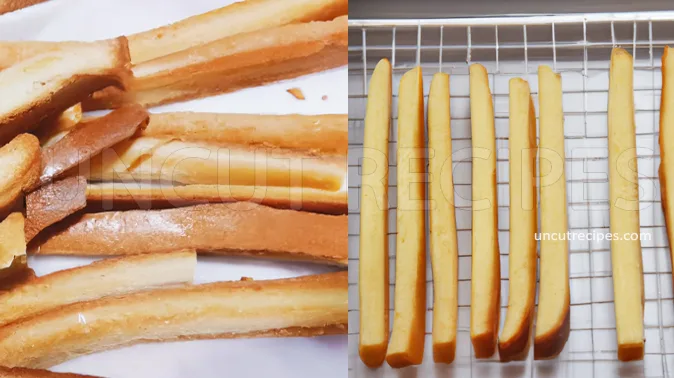
09 - Once they're done baking, remove the crust strips from the oven and let them cool down completely. If you notice any strips that are not crispy or golden enough, you can leave them in the oven with the residual heat to get them to the desired state.
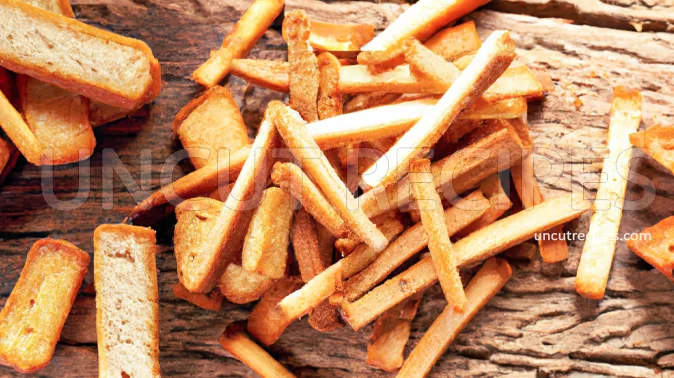
10 - Serve these delightful Shokupan Crust Rusks at room temperature. They make a perfect accompaniment to a hot cup of coffee or tea. Enjoy your homemade delight!
Notes:
Understanding Oven Temperatures: The recipe specifies different temperatures for standard and convection ovens. This is because convection ovens distribute heat more evenly and are typically more efficient, so they require a lower temperature.
Choosing Your Bread: The recipe calls for a slice of milk bread. If you cannot find milk bread, look for a type of bread that is slightly sweet and fluffy, like a brioche or challah.
Spacing on the Rack: Leaving sufficient space between the crust strips on the rack will help them bake evenly and achieve the desired crispy texture.
Serving: Shokupan Crust Rusks are best enjoyed at room temperature. If you're not consuming them immediately, store them in an airtight container to maintain their crispiness.
Nutritional Information
( Per Portion )
|
Calories |
238 kcal (12%) |
| Total Carbohydrate | 7g (3%) |
| Cholesterol | 90mg (30%) |
|
Total Fat |
23g (35%) |
| Saturated Fat | 15g (75%) |
| Polyunsaturated Fat | 1g (4%) |
| Monounsaturated Fat | 6g (25%) |
| Trans Fat | 0g |
| Fibers | 0.3g (1%) |
| Protein | 0.8g (2%) |
| Sugar | 7.5g |
|
Vitamin A |
715 IU (15%) |
|
Vitamin B1 (Thiamin) |
0.02mg (2%) |
| Vitamin B2 (Riboflavin) | 0.02mg (2%) |
| Vitamin B3 (Niacin) | 0.2mg (1%) |
| Vitamin B5 (Pantothenic Acid) | 0.1mg (2%) |
| Vitamin B6 | 0.01mg (1%) |
| Vitamin B7 (Biotin) | 1mcg (3%) |
| Vitamin B9 (Folate) | 12mcg (3%) |
| Vitamin B12 | 0.04mcg (2%) |
| Vitamin C | 0mg (0%) |
| Vitamin D | 21 IU (5%) |
| Vitamin E | 1.2mg (8%) |
| Vitamin K | 1mcg (1%) |
| Choline | 2.3mg (0%) |
| Carnitine | 0mg (0%) |
|
Calcium |
14mg (1%) |
|
Chloride |
2mg (0%) |
| Chromium | 0.4mcg (1%) |
| Copper | 0.01mg (1%) |
| Fluoride | 0.01mcg (0%) |
| Iodine | 2mcg (1%) |
| Iron | 0.4mg (2%) |
| Magnesium | 2mg (0%) |
| Manganese | 0.01mg (0%) |
| Molybdenum | 0.5mcg (1%) |
| Phosphorus | 11mg (1%) |
| Potassium | 26mg (1%) |
| Selenium | 1mcg (2%) |
| Sodium | 168mg (7%) |
| Sulfur | 4mg (0%) |
| Zink | 0.1mg (1%) |
* Percent Daily Values are based on a 2,000 calorie diet. Your daily values may be higher or lower depending on your calorie needs.
** Nutrient information is available for all ingredients in this recipe. Amount is based on available nutrient data collected from all over the internet.
(-) Information is not currently available for this nutrient. If you are following a medically restrictive diet, please consult your doctor or registered dietitian before preparing this recipe for personal consumption. |
     |
| Written by: Uncut Recipes | Disclaimer |
| YOU MIGHT ALSO LIKE: |
| LATEST RECIPES: |

18 Reviews

Eliza
June 15, 2023 |
Naomi
June 14, 2023 These rusks turned out to be little morsels of delight! The perfect balance of buttery sweetness and a crunchy texture that keeps you coming back for more. |
Daisy
June 12, 2023 Decided to experiment a little and made this recipe using the whole bread slice. The result was an absolute treat, loved every bite! |
Robyn
June 12, 2023 This Shokupan Crust Rusks recipe is a gift-giving winner! Perfectly delicious and appealing to the eyes as well. |
June 22, 2023
Decided to bake these for our annual summer gathering, and they were the surprise hit! Everyone loved the crunch and sweetness of these Shokupan Crust Rusks.